Deploying decentralized micro-nodes or scaling a regional retail portfolio requires a clear understanding of manufacturing cost structures and hardware integrity. For corporate procurement managers and hardware syndicates, navigating the bitcoin solo miner wholesale ecosystem demands a structural shift away from secondary trading brokers and retail markup layers. Sourcing directly from an established primary manufacturer provides the raw price protection and structural predictability necessary to maximize return on investment (ROI).
This guide details the technical specifications, volume-based pricing structures, and logistical operational frameworks managed by DigLucky’s dual-core engineering and production facilities.
Engineering Overview
Unlike complex, industrial-scale mining farms that demand multi-megawatt step-down transformers and high-voltage distribution units, desktop ASIC mining hardware relies on capital efficiency and acoustic optimization. However, scaling a fleet of independent solo nodes requires rigorous engineering standards at the component level.
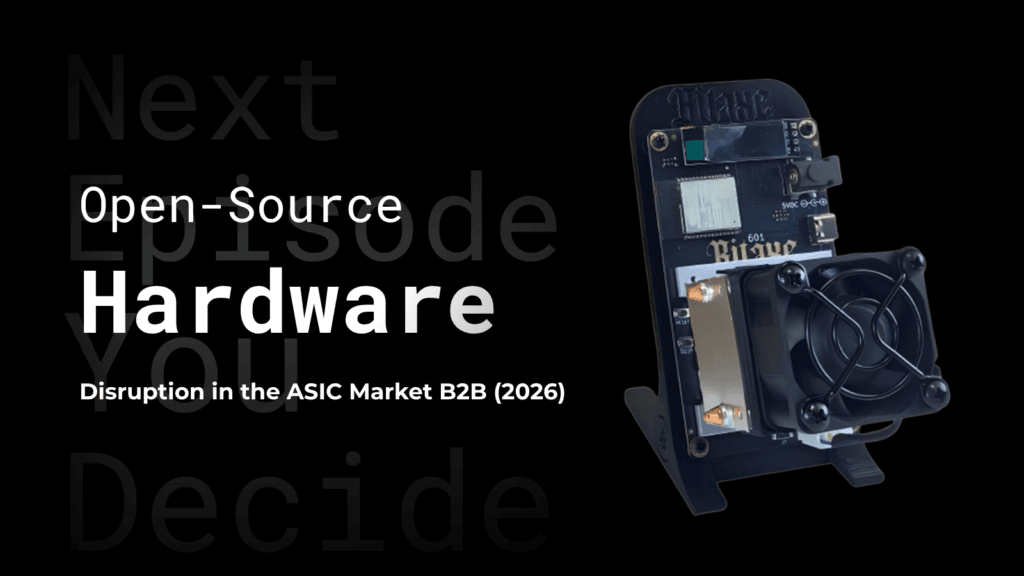
From an engineering perspective, a solo miner is a high-density computational edge device executing continuous cryptographic SHA256 or Scrypt hashing algorithms. Delivering raw power efficiently to modern ASIC silicon—such as the BM1370 architecture—requires stable voltage regulation modules (VRMs), multi-layer printed circuit board (PCB) trace optimization, and precise thermal dissipation capabilities. When procuring in volume, understanding these hardware benchmarks prevents downstream downtime and minimizes high return merchandise authorization (RMA) rates.
Hardware Specifications
To assist procurement divisions in matching hardware profiles to local distribution demands, DigLucky maintains a highly standardized allocation matrix across its primary production runs.
| Model Series | Algorithmic Target | Hashrate Performance | Power Consumption | Master Carton Quantity |
| Bitaxe 602 | SHA256 (Bitcoin) | 1.8 TH/s ±5% | ~35W ±10% | 20 Units |
| NerdQaxe++ | SHA256 (Bitcoin) | 6.0 TH/s ±5% | ~100W ±10% | 10 Units |
| NerdQX | SHA256 (Bitcoin) | 8.0 TH/s ±5% | ~170W ±10% | 10 Units |
| NerdOctaxe | SHA256 (Bitcoin) | 12.0 TH/s ±5% | ~200W ±10% | 4 Units |
| LuckyMiner LV08 Pro | SHA256 (Bitcoin) | 7.0 TH/s ±5% | ~150W ±10% | 10 Units |
| LuckyMiner LV07 Pro | SHA256 (Bitcoin) | 3.0 TH/s ±10% | ~50W ±10% | 20 Units |
| LuckyMiner LG07 Pro | Scrypt (Litecoin/Doge) | 120 MH/s ±10% | ~30W ±10% | 20 Units |
Step-by-Step SOP: Sourcing and Scaling B2B Allocations
To maintain optimal efficiency and secure priority placement on our automated assembly lines, procurement enterprises must adhere to the following Standard Operating Procedure (SOP):
- Model Selection & Carton Aggregation: Select hardware models matching your target distribution profile. Orders must match structural multiples of factory-sealed Master Cartons to ensure structural pallet safety during air transit.
- Gateway Bypass & PI Generation: B2B volume procurement bypasses standard retail checkout layers to shield margins from intermediary credit card fees. Submit requirements to the VIP Commercial Desk to obtain a formal Proforma Invoice (PI) detailing verified corporate bank routing.
- Corporate T/T Settlement: Remit funds via structured telegraphic transfer (Corporate T/T) utilizing standard international networks (ACH, SEPA, or BACS). Forward the official bank transmission slip (MT103) directly to your assigned logistics engineer to lock production line capacity.
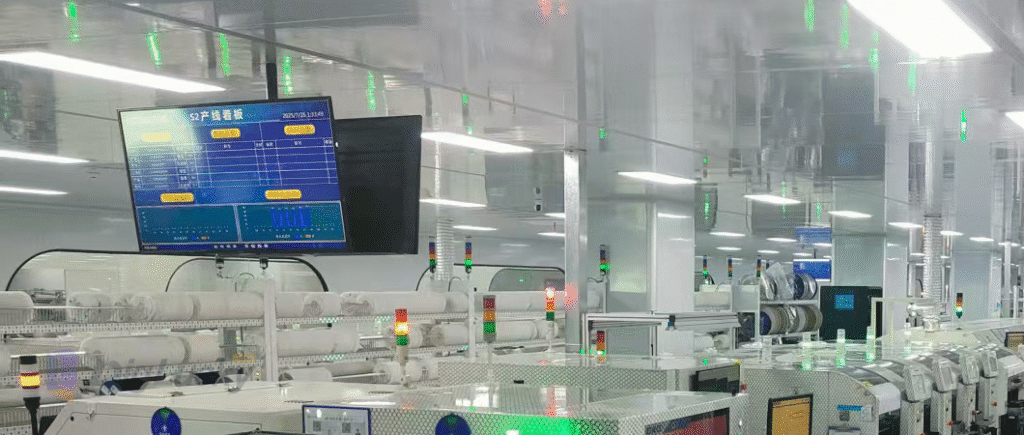
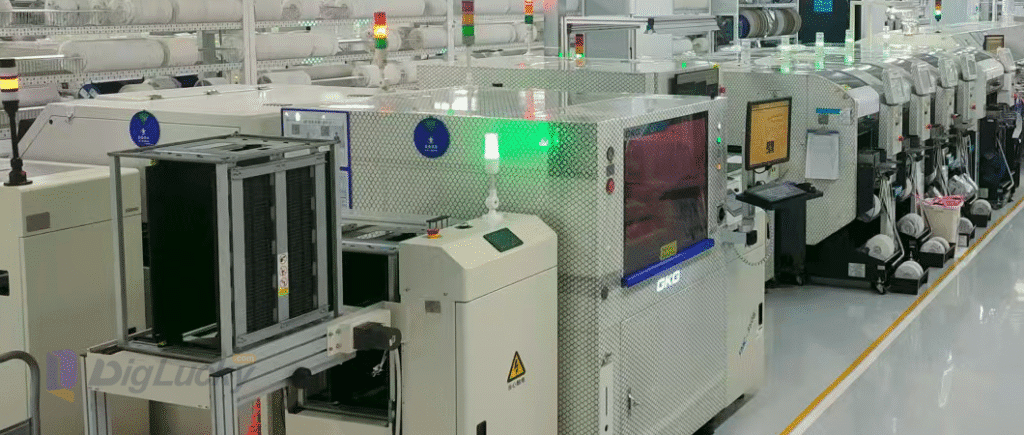
- Automated SMT & Quality Assurance: Upon clearing funds, your specified batch moves to automated Surface Mount Technology (SMT) component placement and subsequent multi-stage verification testing.
- Fulfillment Testing Protocol: Every complete unit undergoes a compulsory 48-hour continuous burn-in verification stage prior to terminal export preparation.
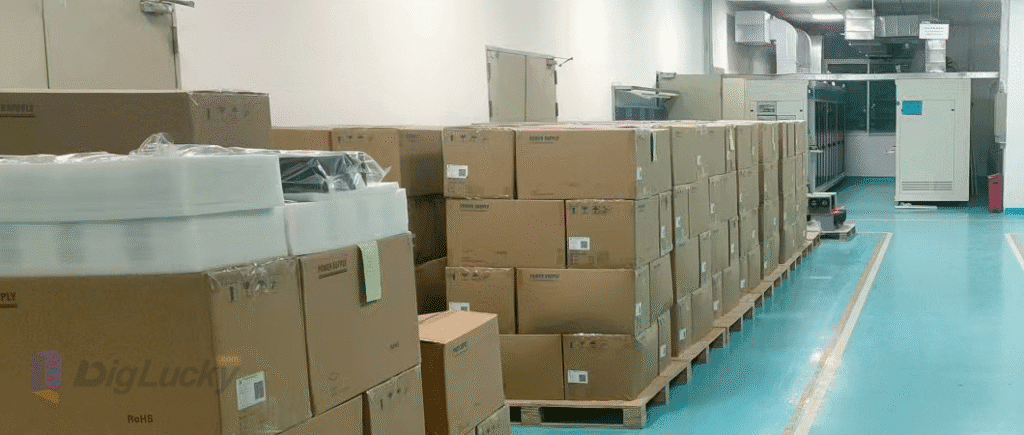
- Logistical Handover: Orders are securely transferred to premium air cargo networks (DHL/UPS) under strict EXW or DAP parameters based on your selected procurement tier.

Technical Validation: The Factory Authority Layer
True manufacturing authority separates professional-grade hardware from rudimentary component assembly. DigLucky controls the entire product lifecycle across a dual-engine architecture: an elite firmware research and development center paired with an advanced hardware manufacturing facility.
[Automated SMT Assembly] ──> [PCBA Trace & Voltage Calibration] ──> [48-Hour Burn-In Chamber] ──> [Acoustic & Thermal Validation]
Every desktop ASIC miner undergoes a comprehensive physical testing cycle before packaging:
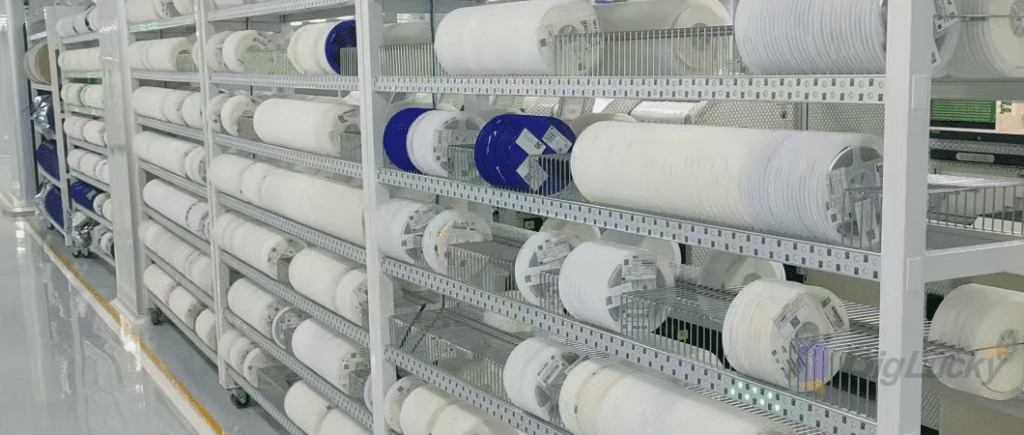
- Automated SMT Assembly: IC chips, microcontrollers, and passive power components are precisely placed via high-speed, automated Pick-and-Place machinery to guarantee optimal solder joint reliability.
- PCBA Trace and Voltage Calibration: Technicians verify trace impedance across the multi-layer boards, applying precise digital voltage calibration to the core rails to ensure stable power delivery under transient mining loads.
- 48-Hour Burn-In Testing: Boards are mounted inside custom testing racks and subjected to non-stop hashing stress tests for 48 hours to eliminate early component infant mortality and isolate anomalous silicon.
- Thermal and Acoustic Validation: Internal pulse-width modulation (PWM) cooling fans are monitored to confirm they sustain target airflow profiles while adhering to strict environmental noise boundaries (such as the acoustic limit of 38 dBA on acoustic-optimized units).
DigLucky Factory Standards vs. Generic DIY Clones
Tech retailers and corporate procurement agents must weigh long-term operational health against short-term savings when evaluating hardware suppliers. Sourcing equipment from informal DIY compilation workshops introduces severe downstream risks.
┌────────────────────────────────────────────────────────────────────────┐
│                      OPERATIONAL RISK MATRIX                           │
├───────────────────────────────┬────────────────────────────────────────┤
│ DigLucky Factory Standard    │ Generic DIY Clone Risks                │
├───────────────────────────────┼────────────────────────────────────────┤
│ Industrial phase-change pads  │ Low-grade silicone thermal grease      │
│ Implements automated SMT      │ Manual hand-soldering joints           │
│ 48-hour continuous burn-in    │ Non-existent stress testing            │
│ Dedicated VRM stabilization   │ High-ripple voltage fluctuations       │
└───────────────────────────────┴────────────────────────────────────────┘
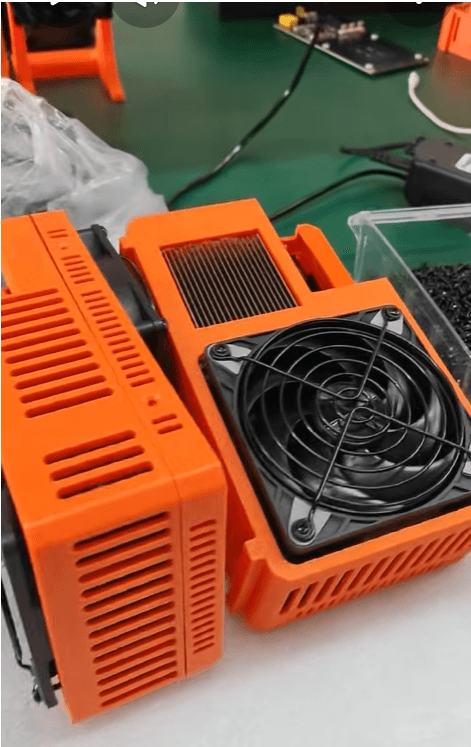
- Thermal Interface Reliability: DigLucky utilizes high-performance, industrial phase-change thermal pads to maximize heat transfer from the ASIC core to the customized aluminum heatsink. Generic DIY clones frequently resort to low-grade silicone thermal grease that degrades under constant high temperatures, causing localized thermal throttling and eventual chip failure.
- Manufacturing Precision: Automated SMT lines remove human error from complex, high-density trace routing and component anchoring. Manual hand-soldering common in backyard operations creates brittle joints susceptible to cracking during thermal expansion and contraction cycles.
- Power Quality Regulation: DigLucky engineering incorporates rugged buck converters and localized capacitance reservoirs to protect against voltage sag and power ripple. Clone boards typically strip out filtering components to save bill-of-materials (BOM) costs, exposing the main processing unit to destabilizing voltage fluctuations.
B2B Procurement Section: Logistics and Tiered Incentives
Maximizing profitability relies significantly on understanding international shipping terms (Incoterms) and capitalizing on factory distribution thresholds.
EXW Shenzhen vs. DAP Shipping Frameworks
- EXW Shenzhen (Ex Works): Under these terms, DigLucky fulfills its obligation by placing the securely boxed cargo at our facility gate. The importing syndicate commands full control over the freight forwarder, optimizing transit costs through integrated corporate consolidation channels.
- DAP (Delivered at Place): This framework is fully integrated into our master carton standard wholesale pricing tiers. DigLucky absorbs the total cost of premium international air freight directly to your regional receiving hub. In accordance with international compliance protocols, DigLucky strictly rejects DDP or tax-inclusive grey-market cargo paths. The receiving entity maintains absolute responsibility for localized customs documentation execution, import tariffs, and national VAT settlement.
Logistics Optimization Strategy: To mitigate international tariff pressures, DigLucky’s finance desk provides itemized commercial invoices that clearly separate raw hardware valuations from integrated international air freight components.
The “10+1” Inventory Scaling Protocol
To support sustained network expansion, regional resellers can access our structured inventory growth framework:
Accumulating a rolling order volume of ten (10) factory Master Boxes of an identical hardware model within any 6-month operational window automatically grants the purchasing business an 11th Master Box entirely free of charge. This bonus allocation is integrated into your next scheduled freight dispatch.
Common Mistakes in Bulk ASIC Sourcing
- Misjudging Trade Incoterms: Assuming that factory-included logistics translate to tax-paid door delivery. Importing syndicates must maintain local customs brokerage contacts to prevent customs delays.
- Ignoring Volumetric Packaging Weight: Forgetting that air freight charges calculate both physical and volumetric constraints. Standard 10-unit LuckyMiner master cartons are engineered with precision padding to hit an ideal balance of gross weight ($\sim 21.6\text{ kg}$) and spatial boundaries ($455\text{mm} \times 330\text{mm} \times 405\text{mm}$).
- Failing to Verify Certifications: Purchasing uncertified clone modules that face immediate seizure at strict border entry checkpoints. Genuine factory-direct builds carry verified CE, FCC, UKCA, and RoHS documentation to clear global compliance frameworks cleanly.
FAQ & Troubleshooting
Q: How do we extract AxeOS system logs to diagnose an unstable hashing tier across a wholesale batch?
A: Connect directly to the specific node’s local network IP address via any standard web browser to access the AxeOS WebUI interface. Navigate to the Diagnostics panel and download the system log file. Look specifically for localized hardware error flags, thermal tracking warnings, or power supply unit (PSU) under-voltage drops. If a module fails to broadcast its SSID, use a digital multimeter to check the voltage across the primary hardware test points on the PCBA to verify power rail stability.
Q: Why do we enforce a strict corporate T/T bank wire policy for a bitcoin solo miner wholesale transaction?
A: Processing large-scale B2B allocations through standard commercial credit card gateways or retail merchant accounts adds a 3% to 5% processing surcharge. Bypassing these commercial payment networks entirely allows DigLucky to protect thin distributor margins, routing all wholesale capital securely through authorized institutional banking layers.
Q: Can a regional distributor request custom branding on standard wholesale orders?
A: To maintain high manufacturing speeds and aggressive pricing structures, DigLucky does not provide physical enclosure modifications or custom artwork on standard wholesale master box volumes (under 100 units). Deep OEM/ODM custom services—including custom PCB silk-screening, unique branding assets, and private-label packaging—become available for larger deployments exceeding 300 total units.
Factory Insight
DigLucky’s high-speed production capability is anchored in our Shenzhen automated assembly lines, where state-of-the-art manufacturing hardware runs side-by-side with strict quality control checkpoints. By controlling component sourcing directly and using automated optical inspection (AOI) stages at every point of the manufacturing cycle, we sustain a factory-wide return rate below 0.5%. This complete ownership of the production supply chain allows global distributors to expand their local business confidently, relying on a stable partnership that bridges high-level R&D with field-tested hardware durability.
Final Recommendations
For distribution networks ready to launch or scale their localized positions in 2026, we advise a dual-stage scaling protocol:
- Procure an Evaluation Batch: Secure a single unit via our verified retail channels (such as our official Newegg storefront) to perform local network integration tests and baseline thermal validation.
- Transition to Master Boxes: Once validated, move to standard 10-unit or 20-unit Master Boxes to unlock factory-level pricing. For bulk operations exceeding 100 total units, establish a direct communication link with our executive desk via the WhatsApp Executive Channel to secure priority line space and dedicated partner distribution rates.
FAQ Questions
Q1: Are certifications provided for global hardware importation?
Yes. Genuine factory-direct units include comprehensive CE, FCC, UKCA, and RoHS compliance documentation available during the Proforma Invoice stage.
Q2:What is the minimum order quantity for DigLucky wholesale pricing?
The baseline threshold is set at 1 standard factory-sealed Master Box, which contains between 4 and 20 individual units depending on the hardware model.
Q3:Does DigLucky support tax-inclusive DDP shipping for bulk orders?
No. All wholesale orders operate strictly under EXW or DAP incoterms to ensure international trade compliance. Importing entities handle local duties and VAT.
Q4:How does the “10+1” wholesale volume incentive work?
Resellers who purchase 10 Master Boxes of the same model within a 6-month period automatically receive an 11th matching Master Box completely free.
Q5:What payment methods are supported for bulk B2B procurement?
To protect wholesale margins, payments are processed exclusively via Corporate T/T bank wire transfer (supporting ACH, SEPA, and BACS networks).
Start Your Project Today
Submit your requirements (even if they’re just an idea) and our B2B team will contact you within 48 business hours.