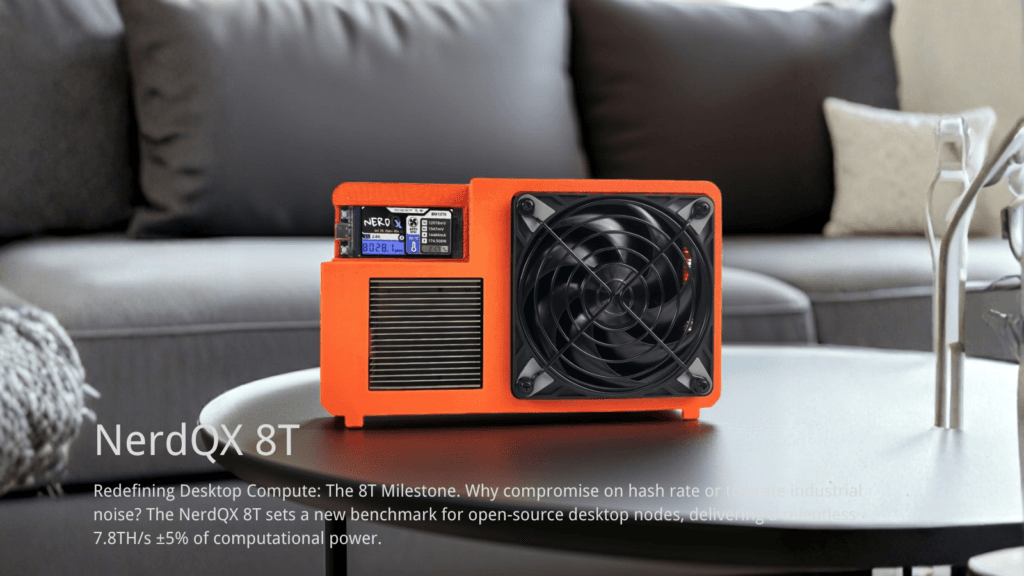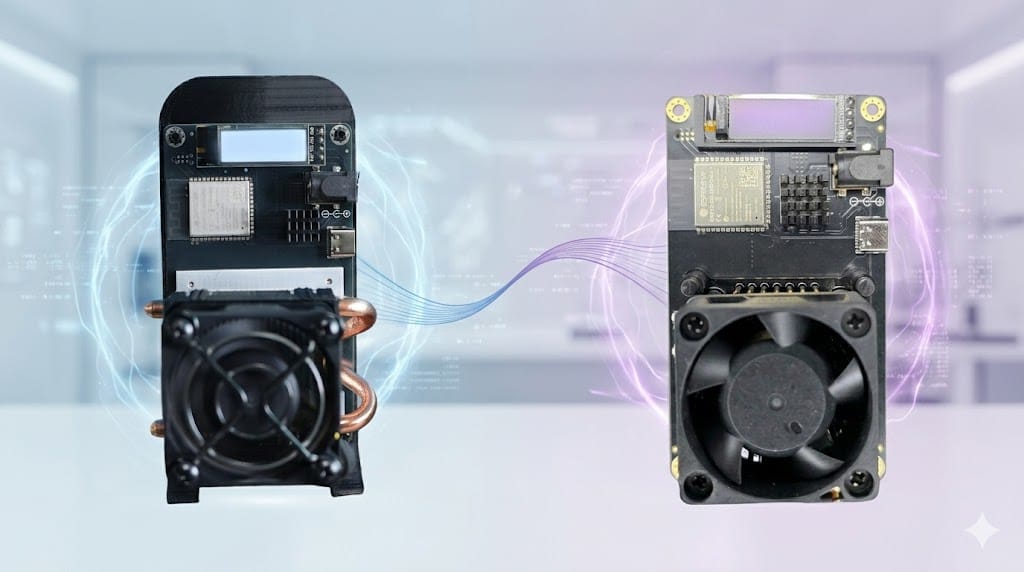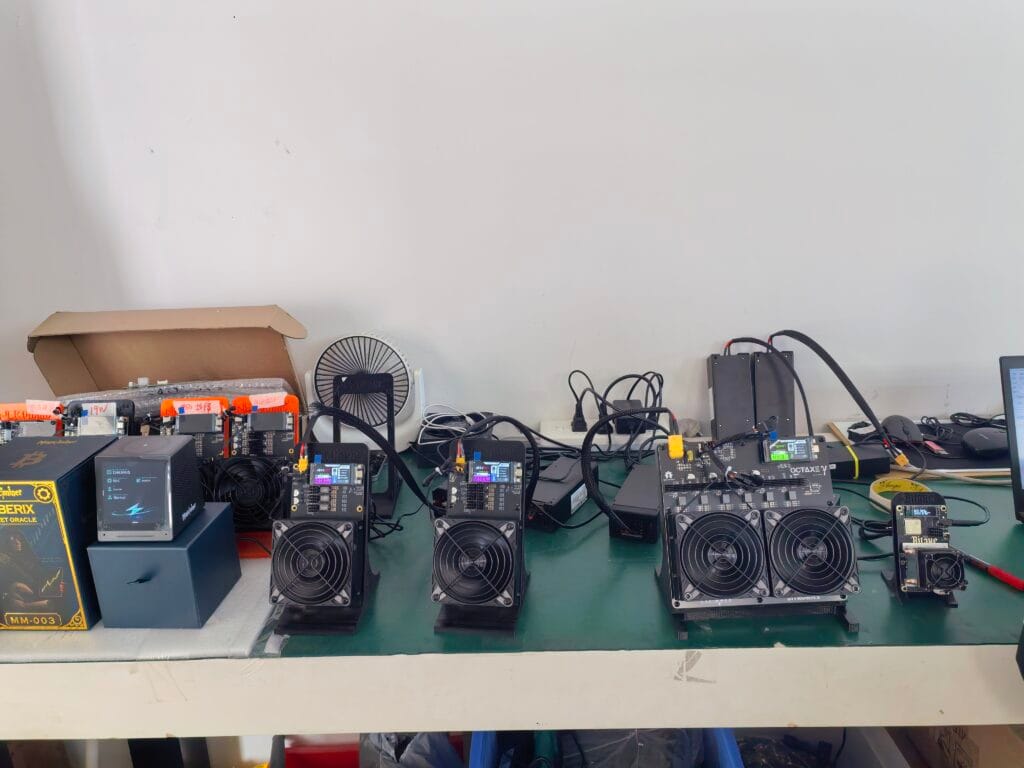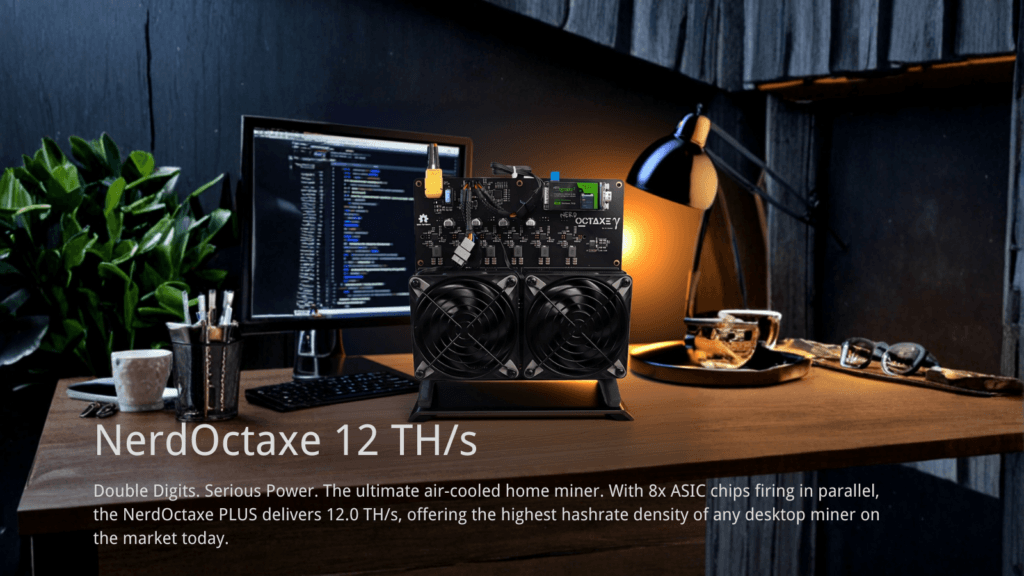
The home desktop mining sector—affectionately known as the “Solo Miner” ecosystem—is currently experiencing a technological and philosophical renaissance. As the manufacturing capabilities of global hardware hubs, particularly in Shenzhen, China, reach unprecedented levels of speed and efficiency, the industry stands at a critical crossroads.
The central debate dominating the community today is one of fundamental architecture: Should the future of home ASIC miners be driven by open-source collaboration, or should it pivot towards closed-source, proprietary ecosystems?
Drawing inspiration from the historical evolution of smartphone operating systems, and supported by on-the-ground insights from major players navigating the Chinese supply chain, the answer is clear: this is not a zero-sum game. At DigLucky, a world-leading technology R&D manufacturer in the crypto mining space, we firmly believe that open-source and closed-source systems are complementary forces. When allowed to coexist, they forge a robust, inclusive, and highly innovative solomining ecosystem.
Key Takeaways
- The “Android” Effect of Open-Source: Drives rapid innovation, democratizes access, and leverages high-speed manufacturing, but struggles with market bloat and cloned hardware.
- The “Apple” Approach of Closed-Source: Prioritizes plug-and-play simplicity, stringent quality control, and robust warranties for non-technical users.
- DigLucky’s R&D Vision: Custom engineering solutions tailored for both open-source tinkerers and closed-source premium brands, championing industry coexistence over tribalism.
The Open-Source Engine: Vitality, Innovation, and the “Android” Effect
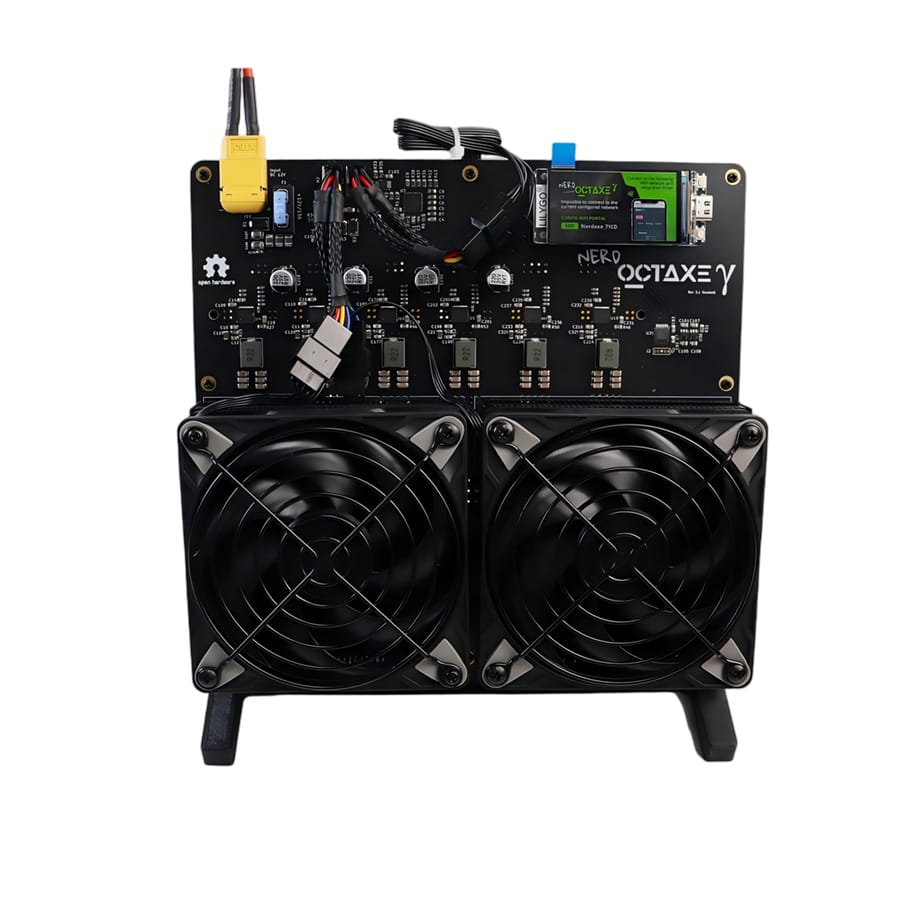
In its early stages, the solominer movement relied heavily on the open-source philosophy, injecting immense vitality into the ecosystem. Much like how the Android operating system emerged to democratize the mobile market, open-source mining hardware and software quickly captured significant market share. It eliminated prohibitive licensing barriers, allowing hobbyists and small manufacturers to rapidly iterate, build, and deploy devices.
The speed of innovation in an open-source environment is staggering, particularly when paired with Shenzhen’s unparalleled manufacturing infrastructure. Industry insiders note that prototyping processes that traditionally take six to twelve months in North America can be accomplished in a mere Three to five weeks in China.
This open-source adaptability directly enables rapid hardware customization, such as:
- Upgrading to high-quality Custom power supply
- Integrating thicker, more durable PCB boards.
- Implementing robust thermal cooling solutions like the Nerd Octax.
However, for open-source to truly fulfill its potential, it must maintain a spirit of high inclusivity. The true essence of open-source is collaborative innovation. Unfortunately, there is a growing trend where open-source licenses are weaponized to suppress competition, leading to a toxic environment of legal threats over alleged code theft. To thrive, the industry must embrace a tolerance for innovation rather than stifling it through aggressive legal posturing.
The Dark Side of Open-Source: Bloat, Chaos, and the Clone Wars
While open-source drives rapid market penetration, it inherently brings a degree of market bloat. As the barrier to entry drops to zero, the market inevitably floods with identical, unoptimized, or purely derivative products.
For serious hardware developers, the current open-source model has become virtually unscalable. The drawbacks are increasingly evident:
- The Clone Wars: In some instances, over 40 different factories manufacture the exact same open-source unit simultaneously. If a developer invests in creating a premium device (like the Nerd QAX++), platforms like AliExpress are flooded with indistinguishable clones in less than a month.
- Compromised Quality Control: While designs are easily copied, underlying quality control is not. Clone manufacturers frequently cut corners, leading to a chaotic user experience and a “race to the bottom” in pricing and reliability.
This chaotic environment has prompted many leading factories and brands to seek a drastic shift in strategy, moving away from open-source entirely.
The Closed-Source Paradigm: Quality, Stability, and the “Apple” Approach
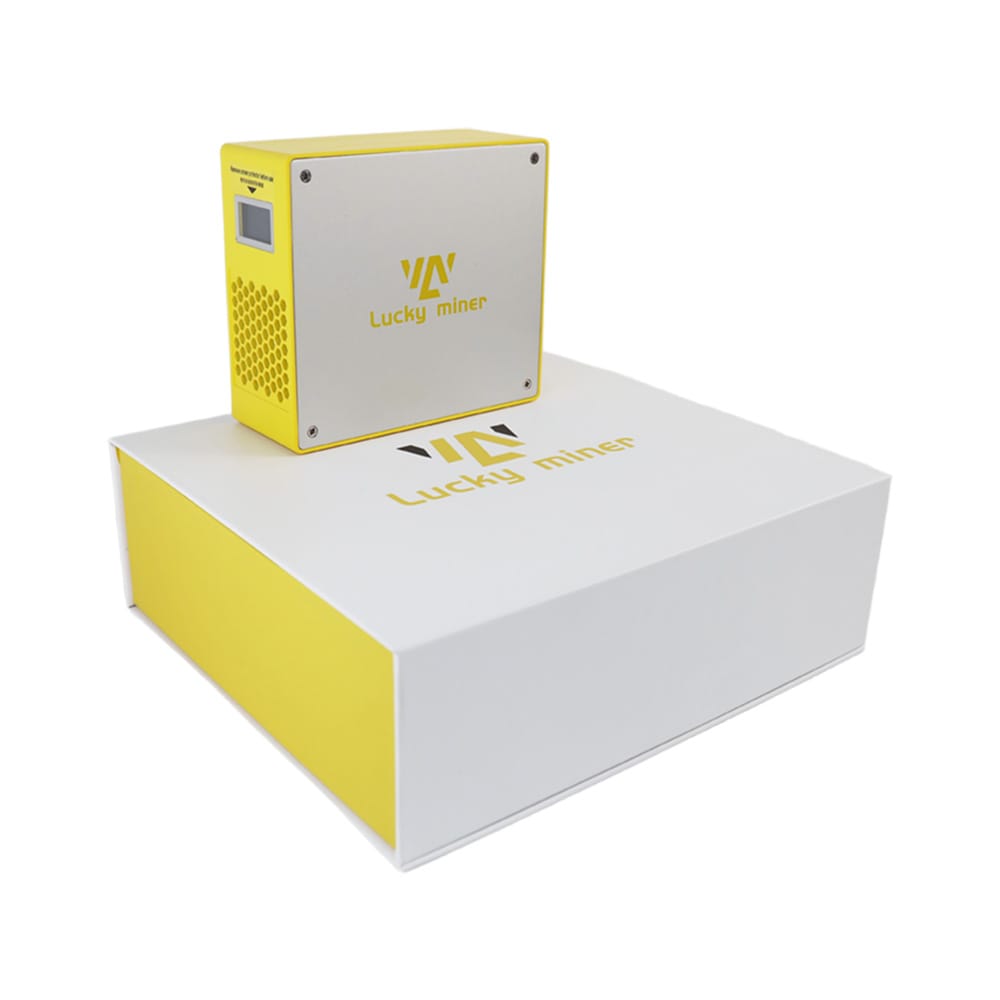
Because open-source can lead to market saturation and quality degradation, there is a profound necessity for closed-source alternatives. Historically, Apple has demonstrated that a closed, highly curated ecosystem can achieve phenomenal success by prioritizing user experience, seamless integration, and strict quality control. In the desktop ASIC miner field, closed-source architectures must strive to achieve these exact characteristics.
For “pure users”—those who are not DIY enthusiasts or tinkerers—the primary demand is simplicity. They do not want to compile code, troubleshoot complex firmware, or worry about compatibility. As leading brands like Lucky Miner have publicly stated, open-source products often provide overwhelming options for regular consumers, who simply want a machine that works flawlessly out of the box.
The Advantages of a “Plug-and-Play” Ecosystem
Major players are now partnering to build closed-source operating systems from scratch to combat rampant cloning and ensure accountability. This approach offers several distinct advantages:
- Direct Accountability: Developers can issue direct firmware updates to fix bugs instantly.
- Robust Warranties: Hardware warranties can be explicitly tied to proprietary software, ensuring user protection—a guarantee nearly impossible to enforce in a fragmented open-source landscape.
- Hardware Flexibility: Closed-source does not mean the death of customization. While the core OS and chip management are locked down for peak hash rate efficiency, users can still physically upgrade fans or modify cases.
The goal of a closed system is not to restrict the user, but to provide a stable, premium foundation that guarantees performance and safety.
DigLucky’s Vision: Championing Coexistence and Custom R&D
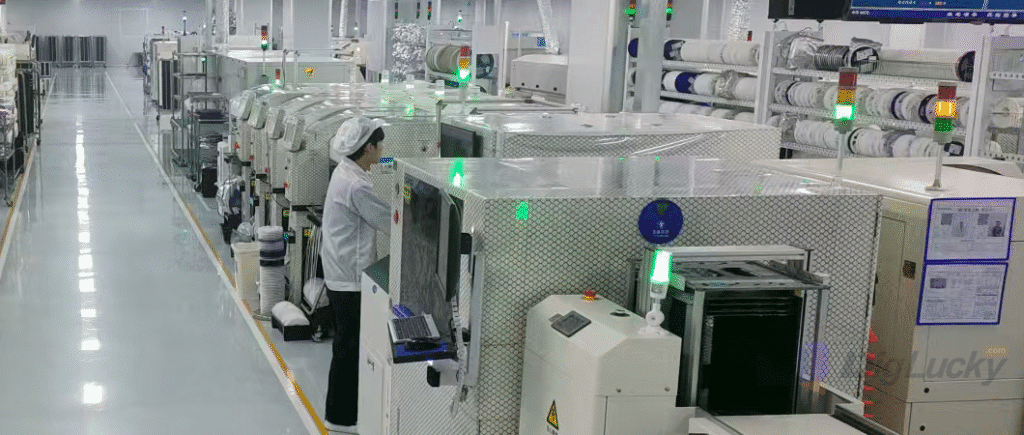
As a globally leading technology R&D manufacturer in the cryptocurrency mining sector, DigLucky’s stance is unequivocal: Open-source and closed-source can, and must, exist in parallel.
The market is diverse. The DIY community requires transparent schematics and modifiable codebases to push hardware beyond its limits. Conversely, a rapidly growing demographic of mainstream users demands refined, aesthetically pleasing desktop miners that operate seamlessly without technical intervention.
To serve this diverse landscape, DigLucky is uniquely positioned to offer specialized R&D for both product lines:
- For Open-Source Ecosystems: We strictly adhere to and respect open-source intellectual property. We advocate for an environment that uses open-source as a foundation for expansive innovation. We assist clients in designing hardware that maximizes community-driven software, ensuring that even open designs meet rigorous, professional manufacturing standards.
- For Closed-Source Ecosystems: We help brands develop highly distinct, feature-rich, and proprietary products. By locking down critical software components and streamlining the UI, we enable our clients to offer robust warranties, superior customer service (including localized repair centers), and a premium user experience that clone factories simply cannot replicate.
Conclusion: Building a Healthier Solomining Ecosystem
The solominer industry is maturing. The initial explosive growth fueled by the “Android-style” open-source rush has paved the way for a more sophisticated market that now demands “Apple-style” reliability alongside continued grassroots innovation.
As developers, manufacturers, and community leaders, we must move past the tribalism of the open vs. closed debate. By embracing inclusivity in our open-source projects and demanding excellence in our closed-source products, we can satisfy the needs of every type of user. DigLucky remains committed to facilitating this dual-path future. By strictly respecting IP while calling for maximum industry tolerance for true innovation, we can collectively build a healthy, dynamic, and enduring solomining ecosystem.
Ready to Start Your Project?
Get a factory-direct quote for your B2B project, or shop our B2C store for the best prices.