In the landscape of Bitcoin mining hardware variance, your device architecture dictates your computational probability of success. We are moving past the hype to look strictly at the compute capabilities of the three main chip types available to home miners today: ASICs (Application-Specific Integrated Circuits), FPGAs (Field-Programmable Gate Arrays), and MCUs (Microcontroller Units).
If you are building a home mining setup in 2026, understanding the efficiency curve—specifically Joules per Terahash (J/TH)—is the only metric that matters.
1. ASIC: The Nuclear Option (SHA-256 Kings)
ASICs are purpose-built silicon designed to do one thing: calculate SHA-256 hashes. They have stripped away every logic gate not required for Bitcoin mining, resulting in efficiency orders of magnitude higher than any general-purpose chip.
For solo miners, the current meta revolves around two specific Bitmain chips: the BM1366 and the BM1370.
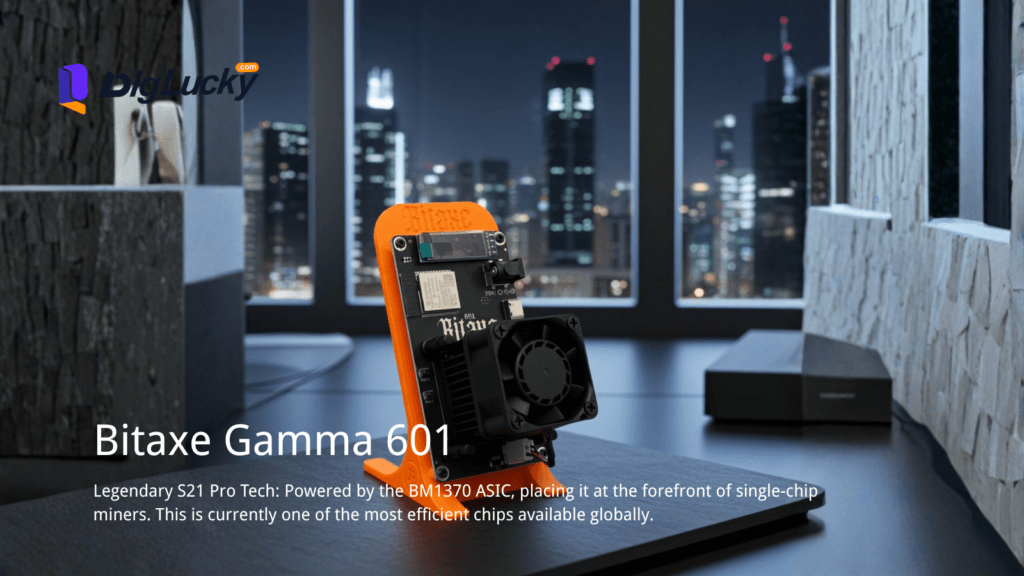
• BM1370 (The Efficiency King): This is the silicon powering the Antminer S21 Pro. It is currently the most efficient chip available to the public.
◦ Found in: DL-Axe Gamma (601), NerdOctaxe (DL-Axe Octa).
◦ Specs: A single BM1370 chip pushes 1.2 -1.5TH/s at approximately 15-17 J/TH efficiency.
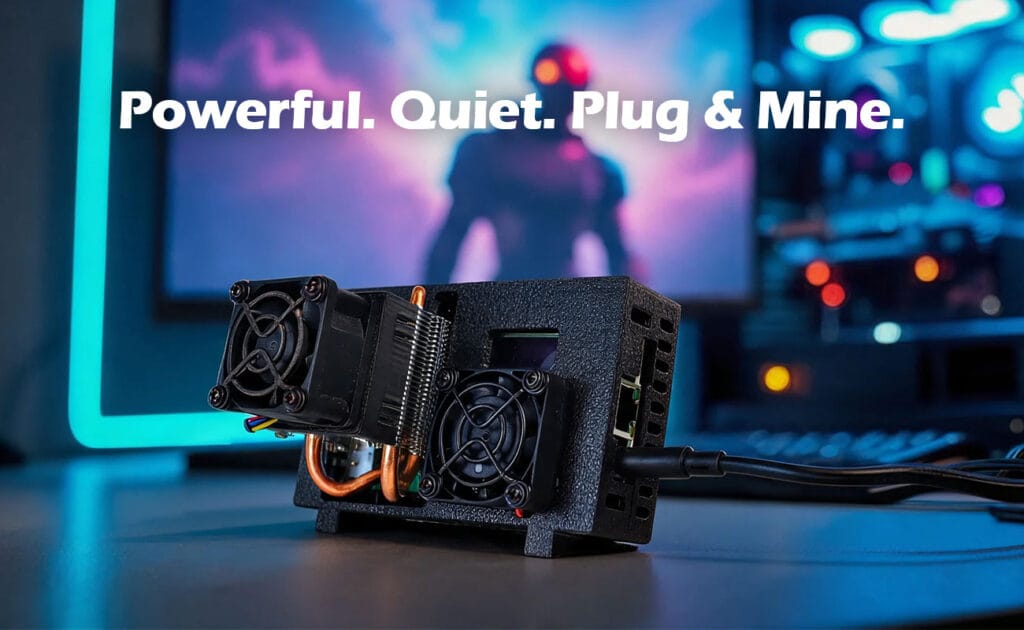
◦ Performance: In our DL-Axe Octa, running 8 of these chips in parallel delivers 9.6-12 TH/s at just 160W.
• BM1366 (The Workhorse): Found in the S19 XP series. While slightly older, it remains a staple for mid-range desktop miners.
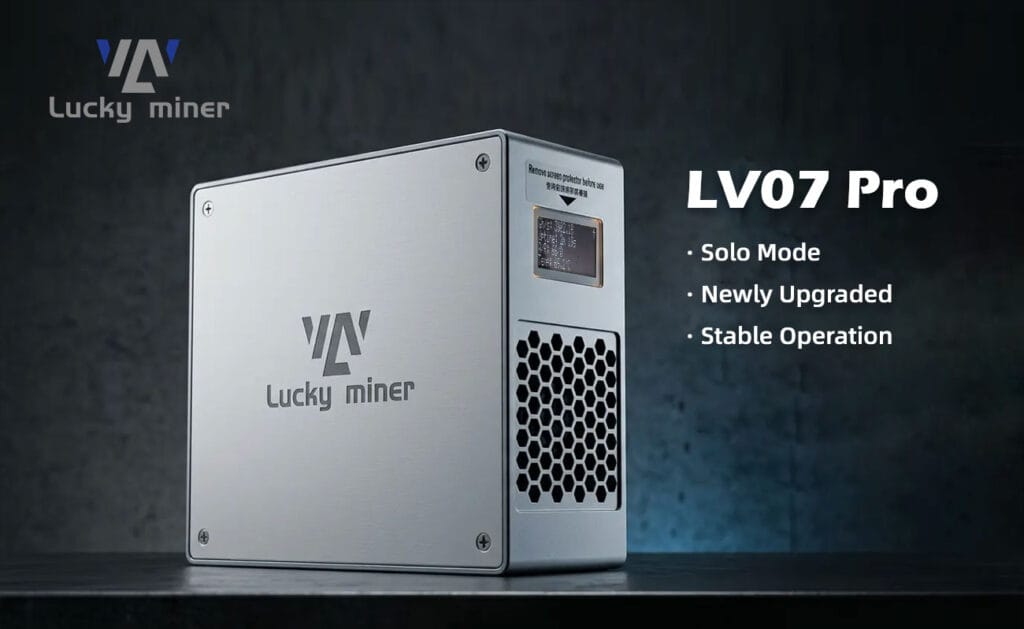
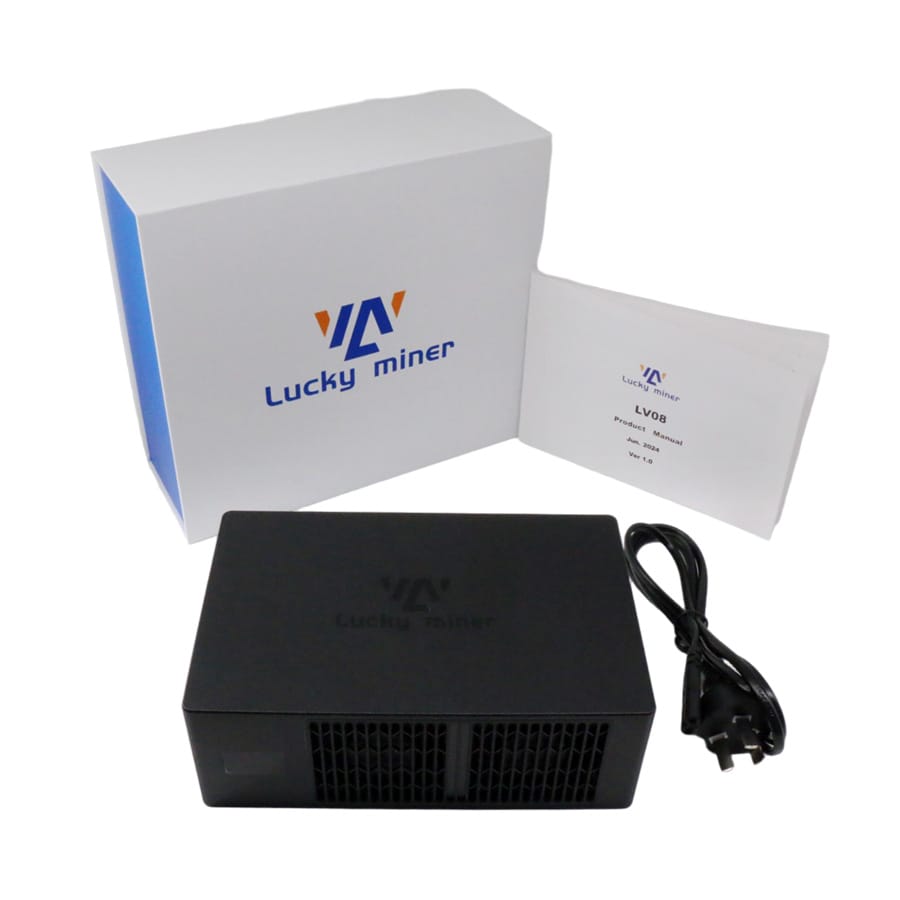
◦ Found in: Luckyminer LV06, Luckyminer LV08.
◦ Specs: Typically delivers 500 GH/s per chip with an efficiency around 20-26 J/TH depending on the board implementation.
◦ Performance: The Luckyminer LV08 utilizes this architecture to hit 4.2 TH/s at 120W, essentially putting a portion of an S19 XP on your desk.
Verdict: If your goal is a genuine statistical chance at a block reward, ASICs are mandatory.
2. MCU: The Gateway Drug (Educational Mining)
Microcontroller Units (MCUs) like the ESP32-S3 are general-purpose, low-power chips designed for IoT, not heavy compute. However, open-source projects like NerdMiner have optimized the SHA-256 algorithm to run on these tiny dual-core processors.
• Architecture: Xtensa® Dual-Core 32-bit LX7.
• Found in: DL-Nerd V2, Luckyminer LV03 (USB Stick).
• Specs:
◦ Hashrate: ~55 KH/s to 78 KH/s (with latest firmware).
◦ Power: ~1 Watt.
◦ Efficiency: Terrible. You are measuring hashes in Kilohashes, not Terahashes.
Verdict: Do not buy an MCU expecting to hit a block (the odds are 1 in billions). Buy this to learn how pools work, visualize the blockchain on your desk, or as a low-cost gift for a fellow geek.
3. FPGA: The Flexible Middle Ground
Field-Programmable Gate Arrays (FPGAs) sit between the general-purpose CPU/MCU and the fixed-function ASIC. They can be reprogrammed on the fly to mine different algorithms.
• History: FPGAs dominated Bitcoin mining briefly in 2011-2012 before ASICs arrived.
• Current State: For SHA-256 (Bitcoin), FPGAs cannot compete with ASICs on efficiency or density. An FPGA rig capable of 1 TH/s would cost significantly more and consume far more power than a $119 Bitaxe Gamma.
• Use Case: FPGAs are primarily used today for new altcoins where ASICs have not yet been developed or for algorithm-switching strategies.
Verdict: For Bitcoin Solo Mining, FPGAs are obsolete. Stick to ASICs.
The Showdown: Technical Specs Comparison
| Feature | ASIC (BM1370) | ASIC (BM1366) | MCU (ESP32-S3) | FPGA |
| Representative Model | DL-Axe Gamma | Luckyminer LV08 | DL-Nerd V2 | N/A |
| Hashrate | 1.2 -1.5TH/s | ~500 GH/s (per chip) | ~78 KH/s | Variable |
| Power Consumption | ~17 W | ~13 W (per chip) | ~1 W | High |
| Efficiency | 15 J/TH | ~26 J/TH | N/A | Low |
| Primary Use | Serious Solo Mining | Entry-Level Solo | Education / Display | Dev / Altcoins |
| Price Point | ~$119 | ~$249 (Unit) | ~$35 | High |
Editor’s Choice: Which Silicon Fits Your Rig?
1. For the Hashrate Hunter: DL-Axe Octa . This gives you industrial-grade density (8x BM1370 chips) in a desktop form factor. It is the highest probability solo miner available for home use.
2. For the Value/Efficiency Geek: DL-Axe Gamma . At 15 J/TH, this is the most efficient silicon per dollar. It runs silent and pulls less power than a lightbulb.
3. For the Student: DL-Nerd V2. It won’t make you rich, but for under $40, it is the best educational tool to understand the Stratum protocol and blockchain mechanics without the noise and heat.
Bottom Line: Don’t bring an MCU to an ASIC fight. If you are mining for blocks, get a BM1370-based device.
Ready to Start Your Project?
Get a factory-direct quote for your B2B project, or shop our B2C store for the best prices.