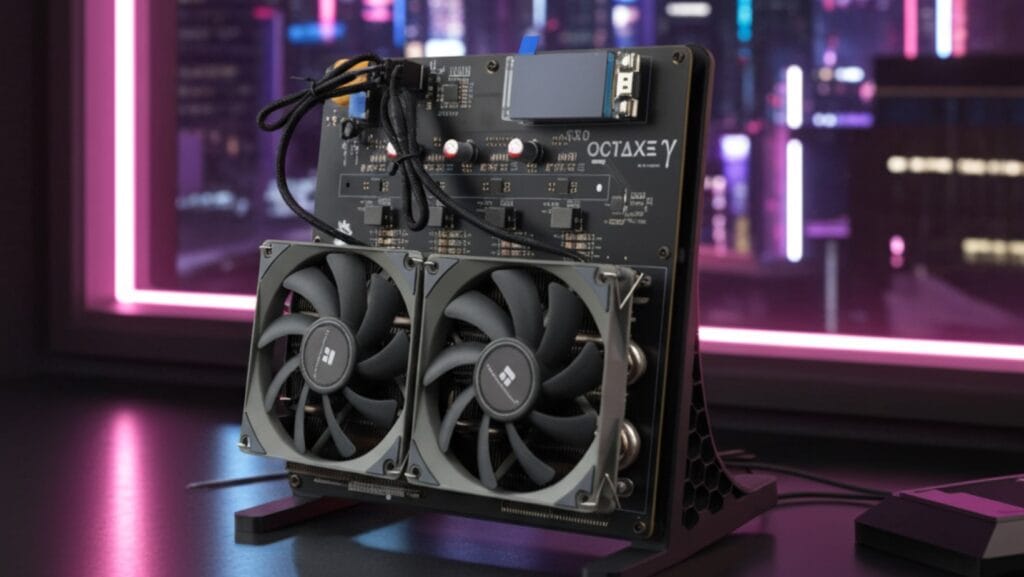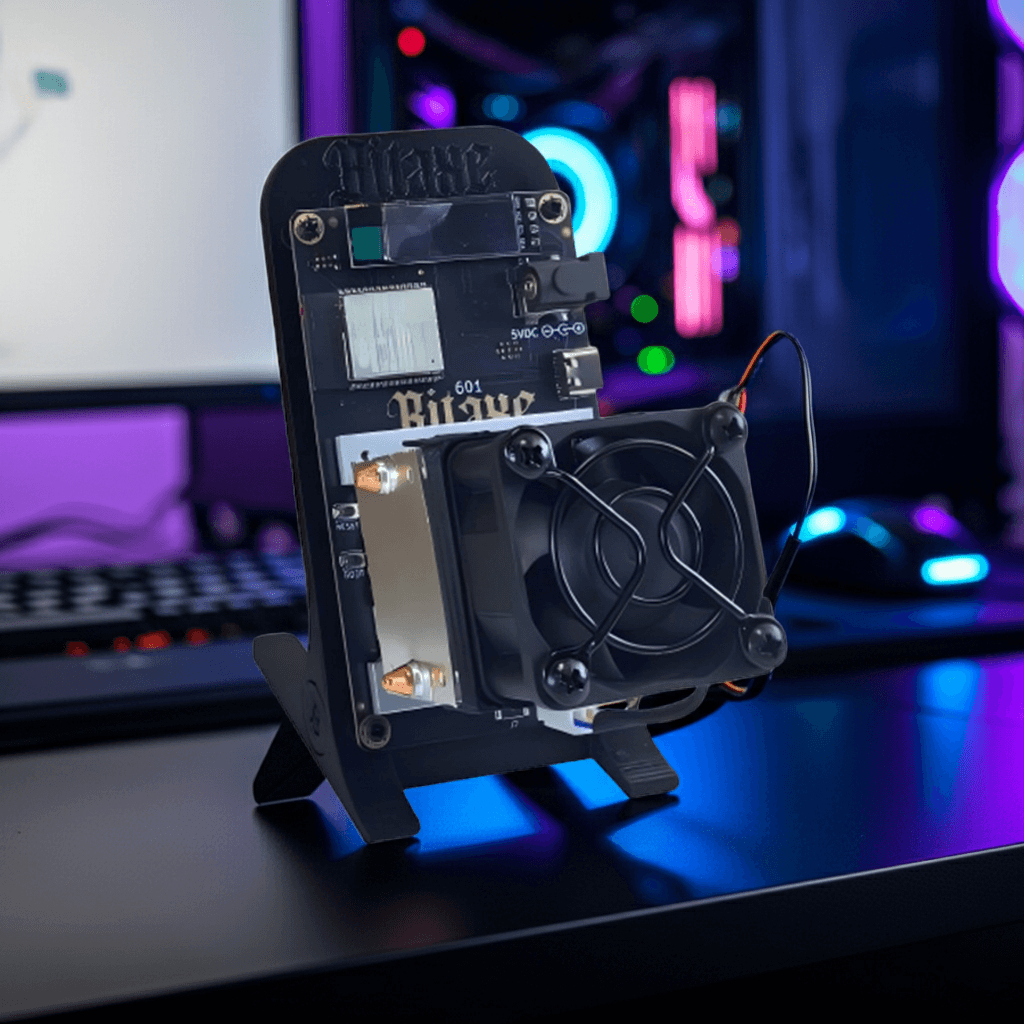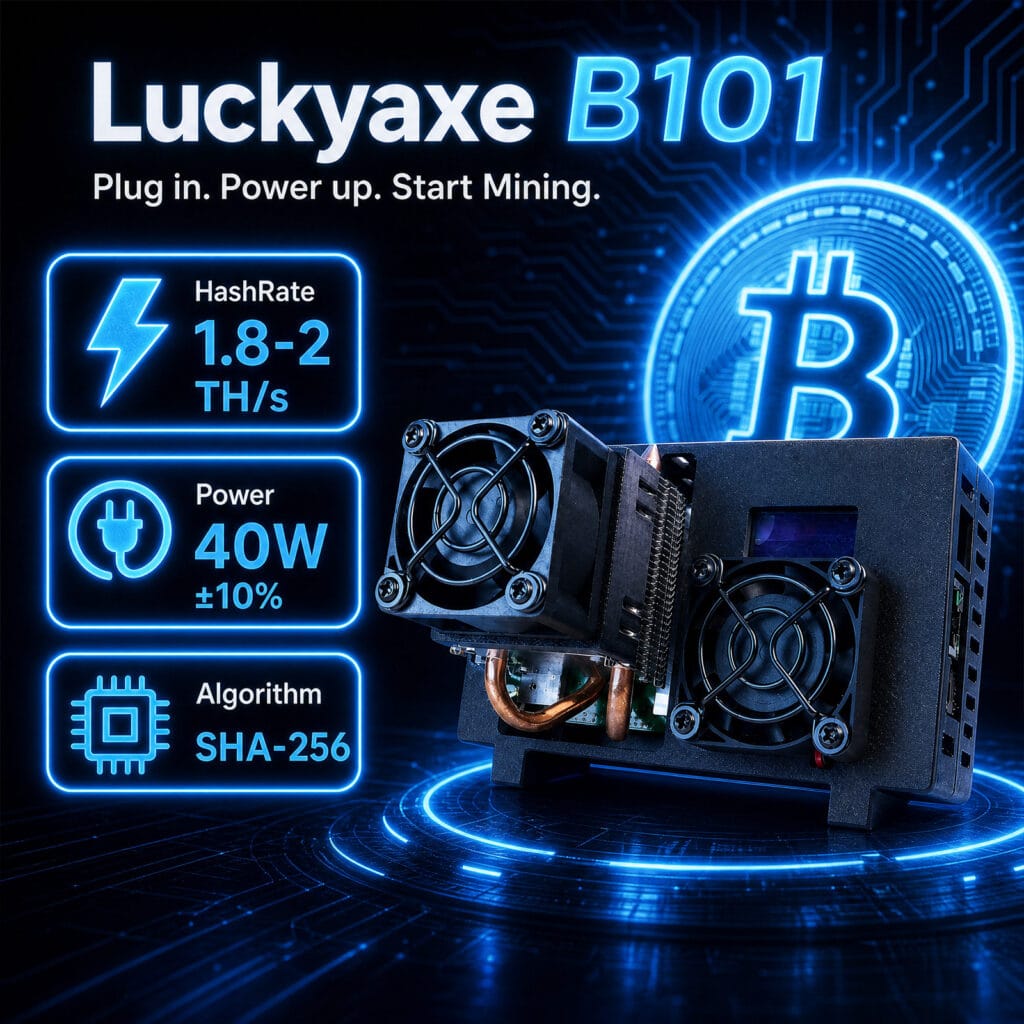
For hardware developers engineering desktop-class solo Bitcoin mining devices, the Bitmain BM1370 and Canaan A16 represent the pinnacle of current ASIC silicon. The BM1370 offers a stable 15.0 J/TH efficiency with unmatched AxeOS open-source compatibility. Meanwhile, Canaan’s latest A16 generation pushes efficiency boundaries down to 12.8 J/TH, demanding advanced OEM thermal and firmware integration.
As a premier China-based source manufacturer of Desktop ASIC Miners, DigLucky continuously processes requests from B2B distributors evaluating next-generation silicon. Transitioning datacenter-scale hashboards into single-die or quad-die desktop deployments requires stripping down industrial architectures into stable, customized PCBA setups. This guide provides a comprehensive technical breakdown of the Bitmain BM1370 (Antminer S21 Pro series) and Canaan A16 generation (Avalon A16 and A16XP), alongside an industrial Standard Operating Procedure (SOP) for initializing your evaluation units.
Deep-Dive Specifications: BM1370 vs. A16 Architecture
The following data reflects the base capabilities of the raw silicon when integrated into a customized, DigLucky desktop form factor. We rely strictly on verified laboratory data and official silicon manufacturer specifications rather than theoretical estimations.
| Specification | Bitmain BM1370 (Antminer S21 Pro Silicon) | Canaan A16 Architecture (Avalon A16 / A16XP Silicon) |
|---|---|---|
| Primary Algorithm | SHA-256 | SHA-256 |
| Peak Energy Efficiency | ~15.0 J/TH (Tuned for 5V DC input) | ~13.8 J/TH (A16 Base) to ~12.8 J/TH (A16XP Flagship) |
| Desktop Power Draw (Per Chip) | 15W – 18W | Variable (Dependent on OEM power phases and cooling) |
| Estimated Desktop Hashrate | 1.0 TH/s – 1.2 TH/s (Default base clock) | Highly scalable per hashboard configuration |
| Open-Source Compatibility | Exceptional (Native AxeOS / Bitaxe support) | Limited (Requires proprietary firmware development) |
| Optimal Thermal Setup | 40mm/60mm Dual Ball-Bearing Fan + Heatsink | OEM Custom Wind-Tunnel / CNC Aluminum Cold Plates |
| Power Delivery (PD) Sensitivity | Reliant on high-precision I2C voltage tuning | Extremely low tolerance for inrush current spikes |
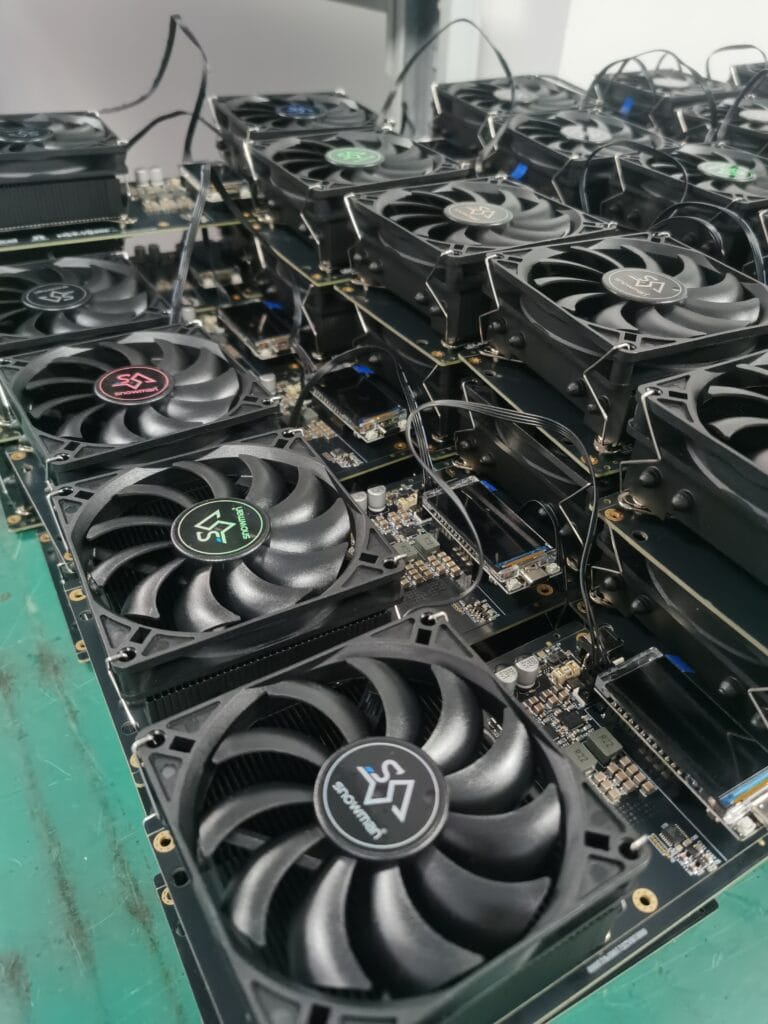
Step-by-Step SOP: Initializing Desktop ASIC Evaluation Units
When receiving a factory-direct evaluation sample from DigLucky, strict adherence to this initialization protocol ensures accurate benchmarking and prevents irreversible hardware damage.
- Power Delivery Verification: Before connecting the DC power supply, use a digital multimeter to test the barrel jack and PCBA power planes for shorts. Why this is necessary: Inconsistent voltage delivery to high-performance ASIC silicon causes hashboard controller panics, voltage droop, and immediate reboot loops.
- Thermal Interface Inspection: Verify that the CNC aluminum heatsink is seated completely flush against the bare ASIC die. Why this is necessary: Desktop form factors lack the massive forced-air velocity of datacenter racks. Even a microscopic gap in the thermal paste leads to localized thermal throttling above 75°C, degrading hash output.
- Network and Firmware Initialization: Power the unit and connect to the localized 2.4G WiFi Hotspot broadcasted by the ESP32 controller. Access the gateway IP via your browser (typically
192.168.4.1) and input your target solo mining pool stratum URL and BTC wallet address. - Frequency and Voltage Tuning: Slowly increase the core voltage and clock frequency via the web GUI. Why this is necessary: Due to standard silicon lottery variance, not all chips hit peak efficiency at default factory voltages. Adjust frequencies in 50MHz increments, monitoring the system log for hardware errors (HW%) before locking in the configuration.
The DigLucky Advantage: Factory Engineering vs. DIY Clones
For B2B distributors and tech hobbyists, the difference between a reliable 24/7 miner and a potential fire hazard comes down to manufacturing tolerances. Here is how DigLucky’s factory lines compare to generic, gray-market DIY clones.
| Evaluation Metric | DigLucky Factory-Engineered PCBA | DIY / Generic Clone Kit |
|---|---|---|
| PCBA Reliability | High-TG FR4 with IPC-Class 2 Soldering | Standard FR4, high hand-soldered variance |
| Thermal Management | Custom CNC Aluminum, precision mounting pressure | Generic extruded aluminum, thermal paste gaps |
| Firmware Stability | Factory-flashed, stress-tested open-source OS | User-compiled, high risk of software bricking |
| QC Testing | 48-Hour Thermal Burn-in under active load | None (Basic Boot-to-BIOS check only) |
| Component Quality | Premium Buck Converters, Polymer Solid Capacitors | Sourced from secondary electronic gray markets |
Troubleshooting & Diagnostics (Pro-Level)
If your evaluation unit exhibits anomalous behavior during stress testing, utilize these diagnostic steps to isolate the fault.
- High Hardware Error Rate (HW% > 2%): This indicates voltage undersupply or thermal throttling. Solution: Connect a multimeter to the VCORE test points on the board. If the voltage drops during the hashing cycle, the external power supply is inadequate or the onboard buck converters require factory recalibration.
- I2C / SPI Communication Failure: Commonly occurs when the fan RPM sensor or OLED display bus loses communication with the microcontroller. Solution: Inspect the I2C ribbon cable headers. If physical connections are secure, check the serial output logs for address conflicts on the I2C bus.
- Chip Fails to Hash (0 TH/s / ASIC NOT FOUND): A total failure to initialize the hashing sequence is usually a clock signal failure or a compromised reset pin. Solution: Verify the primary oscillator frequency (typically 25MHz) using an oscilloscope. If the clock is flat, the oscillator must be replaced.
Future Trends: The Evolution of Desktop ASIC Hardware
As silicon geometries shrink, the desktop ASIC sector is rapidly evolving beyond simple miniaturization. DigLucky’s R&D facilities are currently engineering solutions for three primary vectors that will define the next generation of home solo mining.
Modular Open-Source Standardization: The hardware ecosystem is moving toward standardized carrier board designs. Future DigLucky OEM releases aim to decouple the power delivery and control logic (ESP32/FPGA) from the hashing silicon, allowing developers to physically hot-swap ASIC chiplets as new nodes release.
Thermal Reclamation and Energy Repurposing: The future of home mining relies on utilizing ASIC waste heat. Expect a surge in custom OEM PCBAs designed specifically for dielectric fluid immersion or integrated hydronic heat exchangers, subsidizing the electrical cost of hashing.
Ultra-Low Voltage Operations (ULV): While datacenters prioritize maximum TH/s, desktop solo mining prioritizes acoustic stealth and J/TH efficiency. Future firmware will focus on extreme under-volting, running silicon like the A16XP near its absolute threshold voltage for near-silent, passively cooled operation.
Ready to Start Your Project?
Get a factory-direct quote for your B2B project, or shop our B2C store for the best prices.