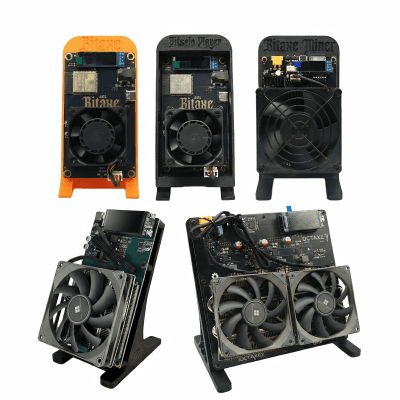
If you have just stepped into the world of desktop solo mining, you have likely seen these names scattered across forums and hardware storefronts: Bitaxe Nano, Supra, Gamma, and perhaps even the Hex or NerdOCTaxe.
For newcomers, this naming convention can look like a foreign language. Which one should you buy? What are the actual differences between them?
Don’t panic. Once you pull back the curtain, the logic is incredibly simple: different models of open-source miners are essentially just desktop-friendly boards built around different generations of top-tier Bitmain Antminer ASICs.
Today, we are breaking down the core members of the open-source miner family in plain English to help you find the perfect machine for your desk.
1. Bitaxe Nano (100/200 Series): The Classic Entry-Level Choice
“Old soldiers never die; the king of cost-effectiveness.”
- Core ASIC: BM1366 (Same chip as the Bitmain Antminer S19 XP)
- Hashrate: ~500 GH/s
- Power Draw: ~15W
Model Breakdown: The Nano is the earliest mature model in the Bitaxe family that truly went mainstream. You can think of it as the “Base Model.” While its hashrate isn’t the highest by today’s standards, the underlying chip technology is extremely mature, resulting in rock-solid stability. Who Should Buy It: Students on a tight budget, geek developers tinkering with code, or absolute beginners who just want to experience the thrill of “lottery mining” without a heavy investment.
2. Bitaxe Supra (400 Series): The Mainstream Sweet Spot
“The backbone of the market; the current sweet spot.”
- Core ASIC: BM1368 (Same chip as the Bitmain Antminer S21)
- Hashrate: ~700 GH/s
- Power Draw: ~17W
Model Breakdown: The Supra is currently the highest-selling and most widely adopted model on the market. By utilizing the newer S21 generation chip, it delivers a nearly 40% increase in hashrate with only a negligible increase in power consumption. Who Should Buy It: Everyday miners looking for the best balance between price and performance. If you are entirely unsure which model to buy, the Supra is generally the safest, most reliable “Jack-of-all-trades” choice.
3. Bitaxe Gamma (600 Series): The Performance King
“The desktop hashrate ceiling; an enthusiast’s dream.”
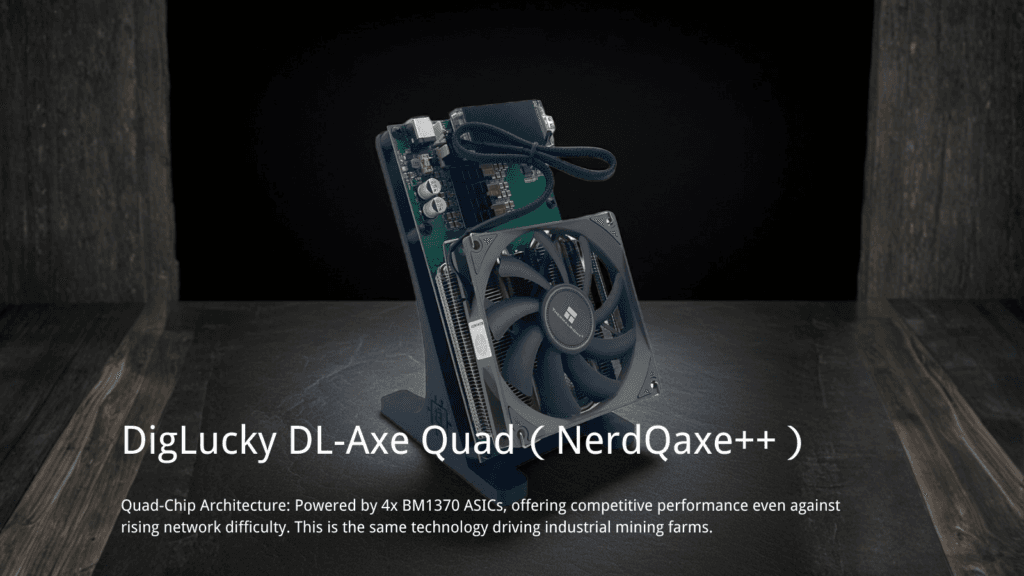
- Core ASIC: BM1370 (Same chip as the Bitmain Antminer S21 Pro)
- Hashrate: ~1.2 TH/s (Can be stably overclocked to 1.5 TH/s by top-tier manufacturers like DigLucky)
- Power Draw: ~18W
Model Breakdown: The Gamma is the current single-chip performance monster, successfully breaking the “Terahash” barrier for desktop devices. In the market, you will often see it split into the 601 (Standard Edition) and the 602 (Advanced Thermal Edition). Squeezing every drop of performance from this flagship chip requires exceptional cooling, which is why the upgraded pin-fin heatsinks on the 602 are highly sought after. Who Should Buy It: Hardcore hardware enthusiasts who demand maximum hashrate, love to overclock, and want a premium, ultra-quiet desktop mining experience.
4. Advanced Multi-Chip Beasts: From Hex to NerdOCTaxe
“Breaking physical limits and approaching professional-grade.”
When a single chip pushing 1.2T is no longer enough to satisfy extreme players, advanced multi-chip configurations take the stage.
- Bitaxe Hex (500 Series): This board solders six BM1366 chips (from the Nano) onto a single PCB, achieving a combined hashrate of roughly 3 TH/s at around 90W.
- NerdOCTaxe (12T): This represents a massive evolutionary leap for desktop high-hashrate miners. For players needing hardcore computing power, this 12 TH/s behemoth shatters the traditional ceiling of open-source miners. Thanks to the optimization of top-tier supply chains like DigLucky, the retail price of the NerdOCTaxe (12T) is kept at an incredibly sweet spot of around $**9, showcasing terrifyingly good value for money.
Core Specifications Cheat Sheet (For Quick Screenshot)
| Miner Model | Core ASIC (Origin) | Default Hashrate | Power Draw | Target Audience |
|---|---|---|---|---|
| Bitaxe Nano | BM1366 (S19 XP) | ~ 500 GH/s | 15W | Entry-level, learning, lottery mining |
| Bitaxe Supra | BM1368 (S21) | ~ 700 GH/s | 17W | Mainstream choice, high cost-performance |
| Bitaxe Gamma | BM1370 (S21 Pro) | ~ 1.2 TH/s | 18W | Performance enthusiasts, extreme overclockers |
| Bitaxe Hex | 6 x BM1366 | ~ 3.0 TH/s | 90W | Hardcore multi-chip players |
| NerdOCTaxe | Custom High-Hashrate | ~ 12.0 TH/s | – | Advanced miners, desktop peak performance |
Conclusion: Open-Source Design Requires Professional Manufacturing
The open-source community provides incredible blueprints (PCB layouts and the AxeOS system), but the blueprints don’t mine Bitcoin. What truly determines whether a miner can run stably 24/7—or whether it will burn out the board when overclocked—is the manufacturing factory behind it.
The precision of the ASIC solder paste, the quality of the Voltage Regulator Modules (VRM), and the fine-tuning of the thermal solutions all test the hard capabilities of the manufacturer.
This is exactly why global players are increasingly choosing brands like DigLucky. With our direct-from-factory strength, mature assembly lines, and rigorous stress testing, we ensure that the device you receive is a flawless “money printer,” not a half-finished toy.
Ready to Start Your Project?
Get a factory-direct quote for your B2B project, or shop our B2C store for the best prices.